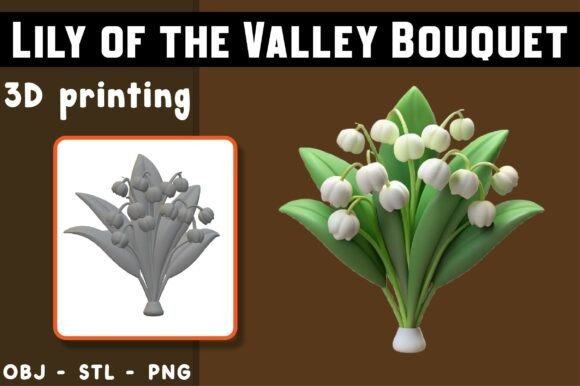
Lily of the Valley Bouquet 3D Model
The Lily of the Valley Bouquet 3D Model is a digital asset designed for creators, designers, and enthusiasts who want to bring a touch of natural beauty into their projects. This model captures the delicate elegance of a bouquet of lily of the valley flowers, rendered with expressive detail and a sense of wonder. Whether you're working on a creative project, a digital display, or a physical print, this 3D model offers a versatile tool that fits into various workflows.
Understanding the Role of the Lily of the Valley Bouquet 3D Model
In a broader process, the Lily of the Valley Bouquet 3D Model serves as a foundational element for visual storytelling, product design, and artistic expression. It can be used in the early stages of a project to visualize concepts, during development to refine details, or in the final phase to enhance presentations or displays. Its clean geometry and beginner-friendly design make it accessible for both novice and experienced users.
For professionals in fields such as graphic design, architecture, or product development, the model provides a ready-to-use asset that can be integrated into larger compositions. For hobbyists and collectors, it offers a way to explore digital creation without the need for complex modeling skills. The model’s compatibility with multiple file formats ensures it can be adapted to different platforms and tools.
Workflow Integration and Practical Use Cases
The Lily of the Valley Bouquet 3D Model can be incorporated into various workflows depending on your goals. Before starting a project, it can serve as a reference for texture, form, and composition. During the creative process, it can be modified, combined with other assets, or used as a base for further customization. After completion, it can be used for presentations, marketing materials, or personal showcases.
For example, a designer working on a floral-themed product might use the model to create a 3D render for a packaging concept. A teacher or educator could integrate it into a digital lesson plan about botany or art. A content creator might use the model to produce engaging visuals for social media or a blog post. Each application highlights the model’s flexibility and adaptability.
File Formats and Technical Considerations
The Lily of the Valley Bouquet 3D Model comes in three key file formats: STL, OBJ, and PNG. Each format serves a specific purpose and is suited for different applications. The STL file is ideal for 3D printing, offering a clean geometry that is easy to slice and print. The OBJ file is perfect for previews, augmented reality experiences, or digital showcasing, allowing users to view the model in various environments. The PNG file provides a high-quality rendered image that can be used as a reference or for documentation.
When using the model, it's important to consider compatibility with your software and hardware. For instance, if you're planning to print the model, previewing the STL file in your slicer before printing can help identify any potential issues. Similarly, when working with the OBJ file, ensuring that your visualization tool supports the format will prevent rendering problems. The PNG file, while not printable, can still be useful for creating promotional materials or documentation.
Implementation Tips and Best Practices
To get the most out of the Lily of the Valley Bouquet 3D Model, consider the following tips:
- Preview Before Printing: Always check the STL file in your slicer to ensure proper orientation, support structures, and material settings.
- Customize as Needed: Use modeling software to adjust the size, shape, or texture of the model to fit your specific needs.
- Organize Your Files: Keep your 3D model files organized, especially if you’re working on multiple projects or collaborating with others.
- Test Different Materials: Experiment with different 3D printing materials to achieve the desired look and feel.
- Use for Inspiration: Even if you don’t print the model, it can serve as a source of inspiration for your own designs or artistic creations.
These practices can help streamline your workflow and improve the quality of your final output. Whether you're using the model for a personal project or a professional task, attention to detail and preparation can make a significant difference.
Long-Term Use and Value
The Lily of the Valley Bouquet 3D Model is not just a one-time asset but a resource that can be reused and repurposed over time. Its clean design and versatility allow it to remain relevant across different projects and applications. For businesses or individuals looking to build a library of digital assets, this model can be a valuable addition to their collection.
Additionally, the model’s ability to be modified and adapted means it can evolve with your needs. As new tools and technologies emerge, the model can be reimagined or integrated into new workflows. This long-term value makes it a smart investment for those who are committed to creative or technical exploration.
Conclusion and Final Thoughts
The Lily of the Valley Bouquet 3D Model is more than just a digital representation of a flower arrangement—it’s a flexible tool that can enhance a wide range of creative and practical tasks. By understanding its role in different workflows, considering technical requirements, and implementing best practices, users can unlock its full potential. Whether you're an artist, a designer, a student, or a hobbyist, this model offers a unique opportunity to bring beauty and imagination into your work.
As with any digital asset, the success of the Lily of the Valley Bouquet 3D Model depends on how well it is integrated into your existing processes. By treating it as part of a larger system of tools and resources, you can maximize its impact and enjoy the creative possibilities it offers.