Criss Cross Egg 3D Printing 3MF, STL: A Versatile and Practical Choice
The Criss Cross Egg 3D Printing 3MF, STL model offers a unique combination of design complexity and practical usability for 3D printing enthusiasts. This model is available in two file formats—3MF and STL—each with its own set of advantages depending on the user's workflow and preferences. Whether you're looking to create a custom decorative piece or a functional object, understanding the differences between these formats can help you make an informed decision about which one suits your needs best.
Understanding the Criss Cross Egg 3D Printing 3MF, STL Model
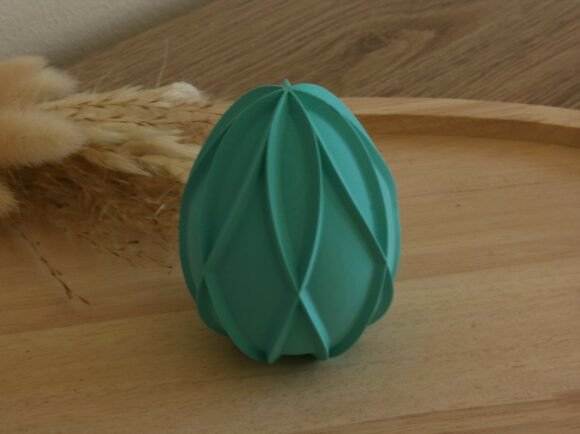
The Criss Cross Egg 3D Printing 3MF, STL is a 3D printable model that features a distinctive crisscross pattern, making it visually appealing and structurally interesting. The model is designed to be both aesthetically pleasing and functionally sound, allowing for creative applications in various contexts. Its dimensions are 57.73 mm × 58.92 mm × 75.38 mm, which makes it suitable for a wide range of uses without requiring excessive material or print time.
One of the key features of this model is its availability in two common file formats: 3MF and STL. These formats serve different purposes and cater to different levels of user expertise and software compatibility. Understanding the distinctions between them can help users determine which option is more appropriate for their specific situation.
3MF vs. STL: Key Differences and Use Cases
The 3MF file format is specifically designed for advanced 3D printing workflows and is optimized for use with Bambu Slicer. It includes detailed print settings that are pre-configured to produce results that closely match the visual representation of the model. This means that users who choose the 3MF version can expect a more straightforward printing experience, as the settings are already tailored to achieve high-quality output.
In contrast, the STL file format is a universal standard that can be used with most slicers, including Anycubic Slicer, PrusaSlicer, CuraSlicer, and OrcaSlicer. However, because STL files do not carry embedded print settings, users must configure their own slicing parameters to achieve the desired outcome. This flexibility comes at the cost of additional setup time and a learning curve for those unfamiliar with slicer software.
When to Choose 3MF vs. STL
If you are using Bambu Slicer or prefer a streamlined printing process, the 3MF file is likely the better choice. The pre-set configurations ensure that your print will closely resemble the intended design, reducing the likelihood of errors and saving time. This is particularly beneficial for users who may not have extensive experience with 3D printing or who want to minimize the risk of failed prints.
On the other hand, if you are using a different slicer or have specific requirements for your print, the STL file provides greater control over the final result. This format allows for customization of print settings such as layer height, infill density, and support structures. For users who are comfortable with slicing software and want to fine-tune their prints, the STL version offers more flexibility and adaptability.
Scaling and Print Considerations
The Criss Cross Egg 3D Printing 3MF, STL model can be scaled freely to accommodate different sizes and applications. This feature is especially useful for users who want to create custom versions of the egg for specific purposes, such as larger display pieces or smaller decorative elements. However, it's important to note that scaling the model too small may lead to printing issues due to the limitations of the nozzle size and filament flow.
Printing the model at its original size is generally safe and produces reliable results. Users should also consider environmental factors such as room temperature, filament moisture, and print bed adhesion when preparing for a print. These variables can affect the quality of the final product, even with well-configured settings.
Material Selection and Environmental Factors
For users concerned about the durability and safety of their prints, material selection plays a crucial role. If the printed egg will come into contact with food or be exposed to high temperatures, PETG is recommended over standard PLA. PETG has a higher softening temperature and is considered food-safe, making it a more suitable choice for certain applications.
Choosing the right material can also impact the overall performance of the print. While PLA is easy to work with and produces smooth surfaces, it is less heat-resistant than PETG. Users should evaluate their specific needs and select a material that aligns with both the intended use and the environmental conditions in which the print will be used.
Decision-Making and Practical Applications
The Criss Cross Egg 3D Printing 3MF, STL model is ideal for users who value design versatility and ease of use. Whether you're creating a unique piece for personal enjoyment, a custom item for a project, or a prototype for further development, this model provides a solid foundation for experimentation and creativity.
However, it's important to recognize that the model may not be the best fit for every scenario. For example, users who require highly customized settings or who are working with specialized equipment may find the STL format more suitable. Similarly, those who are new to 3D printing may benefit from the simplicity of the 3MF version, while experienced users may appreciate the flexibility of the STL format.
Ultimately, the choice between the 3MF and STL versions of the Criss Cross Egg 3D Printing 3MF, STL depends on individual preferences, technical capabilities, and project requirements. By carefully evaluating these factors, users can select the option that best meets their needs and ensures a successful printing experience.